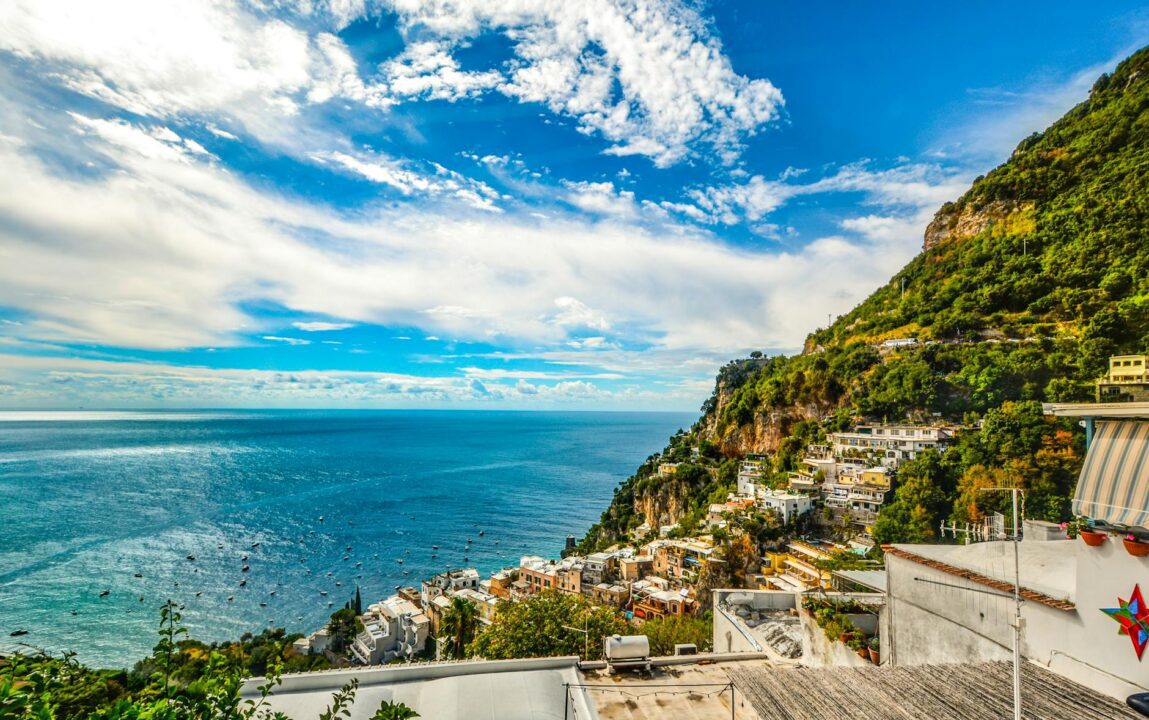
Europe, a landmass known for its rich history, different culture, and stunning scenes, is decorated with incalculable pleasant towns ready to be found. While the loftiness of significant personal favorites like Paris, Rome, and London frequently get my attention, and offer a personal look into Europe’s appeal. Here’s an organized rundown of the Most Beautiful Small Towns in Europe that I think might flame on your heart and light your chronic longing for new experiences. They pack a big beauty punch, so, gather your sacks and try to be charmed enough to want to be a tourist.
Jena
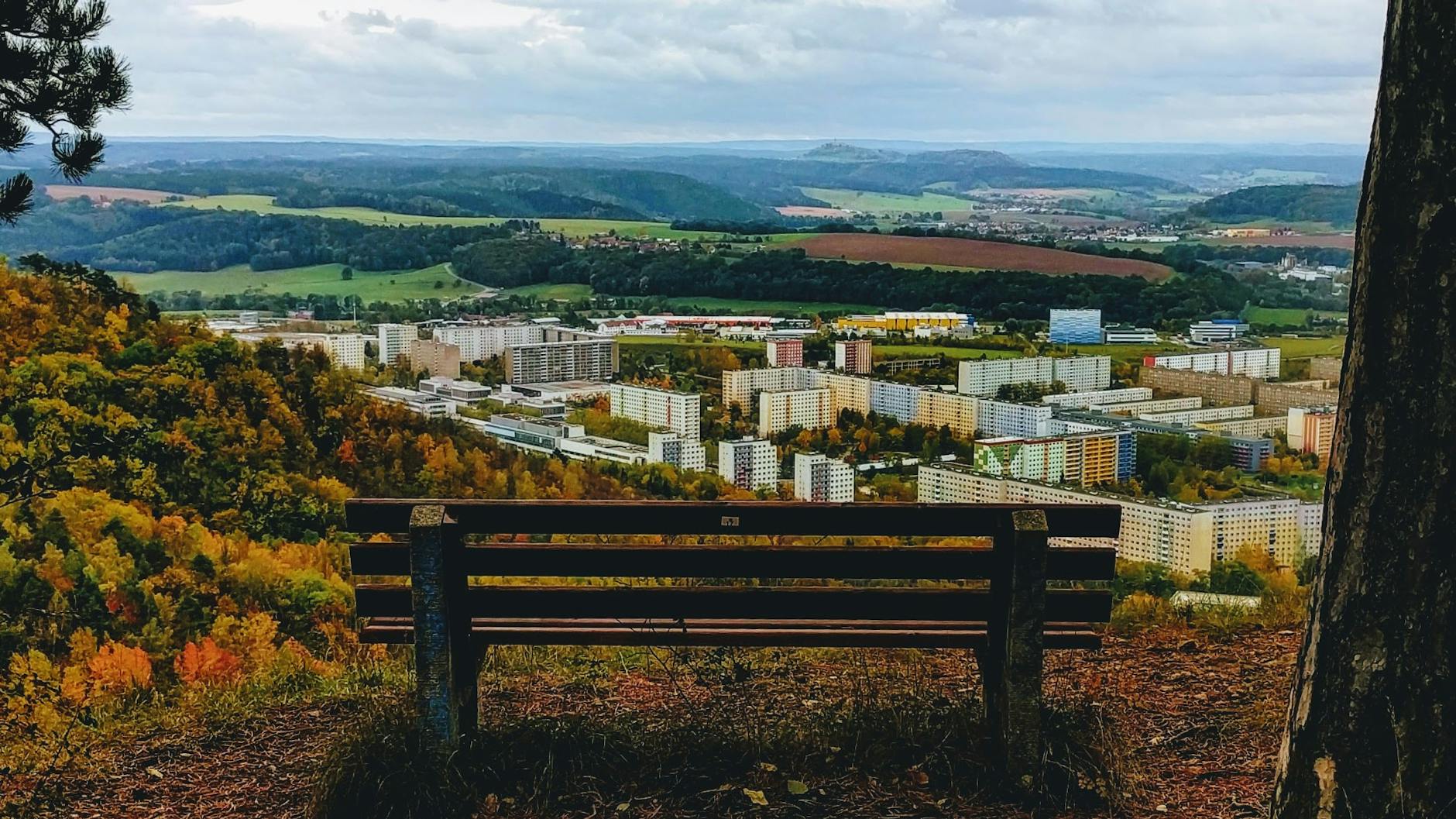
In 2022, I embarked on a transformative mission: to travel the world in pursuit of a new purpose, aiming to contribute meaningfully to each country I visited. My journey began in the heart of Thuringia—Jena, Germany—a gem among Europe’s small towns.
Jena is a town steeped in history and innovation. With roots dating back a millennium, it exudes an undeniable charm, characterized by its historic architecture and winding cobblestone streets. I often found myself wandering these streets late at night, returning from vibrant biergartens, savoring meals at a century-old restaurant, or cycling along picturesque nature trails.
Yet, Jena is more than a city rich in heritage; it stands as a vibrant hub of cutting-edge research and development. It was impossible to miss the influx of university students, a testament to its status as home to the prestigious Friedrich Schiller University and a center for scientific advancement. I seized the opportunity to enroll in language courses, dedicating weeks to mastering foundational German and immersing myself in the daily lives of the locals.
During my 90-day stay, I indulged in local markets, enjoyed hot chocolate by crackling fires in the woods, dined with friends, and hiked to breathtaking mountaintops. The friendly nightlife and intimate entertainment options added to the town’s allure, with the highlight being a visit to the summit of the tallest building in the area.
As I prepare to share more photos and possibly pen a dedicated feature on Jena, I reflect on how this experience has deepened my understanding of the world. Stay tuned as I transition to the next small town on my European backpacking adventure.
Zagreb
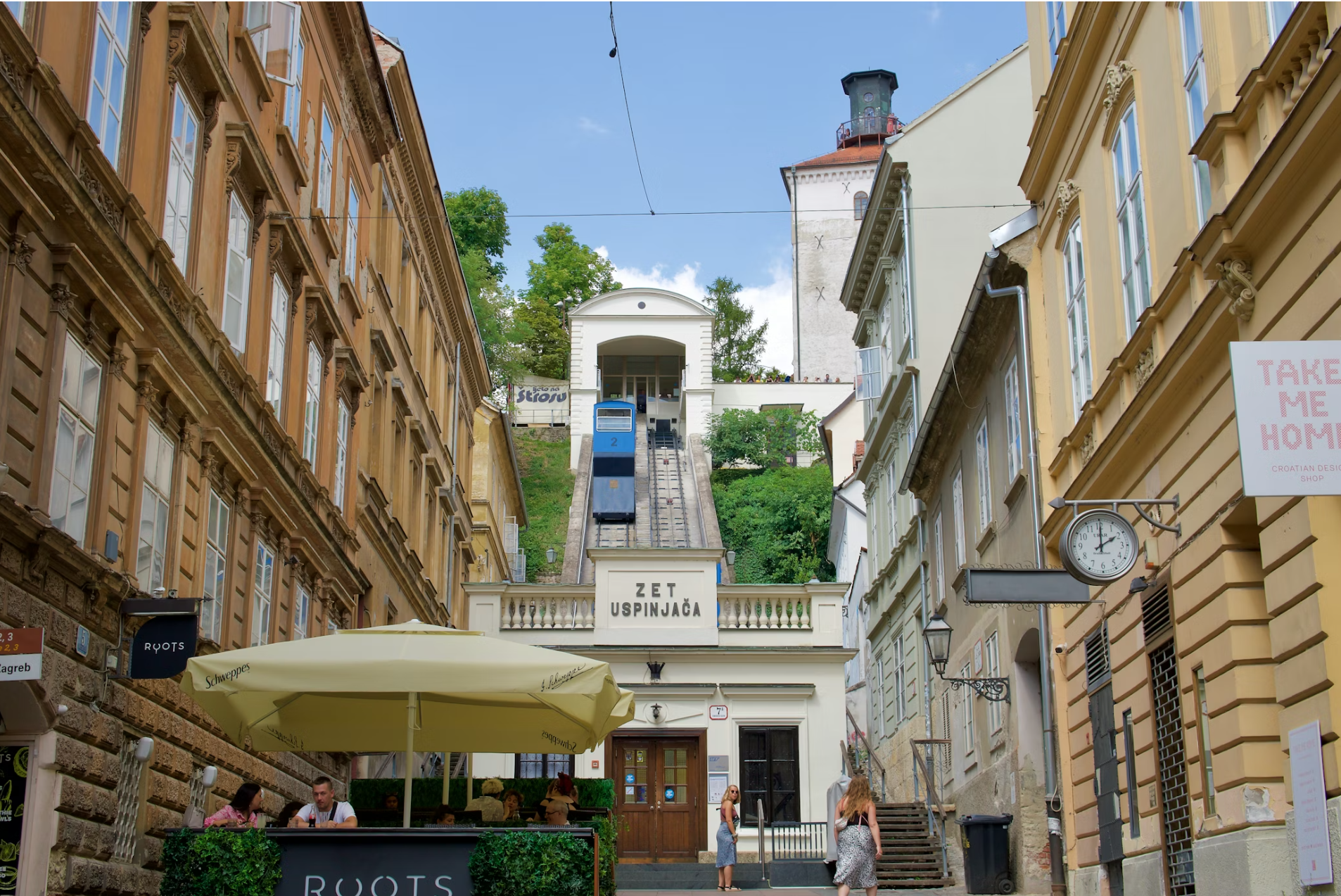
For much of my life, I have been in pursuit of a meaningful purpose, driven by intention and a responsible outlook on life. Before I visited Germany, I had traveled to over a dozen countries. My experiences ranged from reconnecting with colleagues in France to spontaneous weekend escapes to the Dominican Republic with an online acquaintance, and spending a summer in Italy with a captivating hotel owner. While these adventures were fulfilling to me, each return to the United States brought me face-to-face with the relentless urgency of the 9-to-5 lifestyle and the American dream. This pressure often led me to immerse myself in the workforce, dedicating my time and energy to careers that, while demanding, left little room for the pursuit of my own aspirations.
During my time in Germany, I became acutely aware of the constraints faced by tourists in the Schengen area, where one can only stay for 90 days before needing to exit. Upon leaving Germany, I was presented with two distinct paths: return to the United States and attempt to resume my previous life, or venture further into Europe and embrace a new way of living. I chose the latter, purchasing a one-way train ticket to Croatia, where I began to explore the possibilities of creating something from nothing.
Zagreb, Croatia, is a city of differences, where middle-aged fascinates meets lively innovation. I purchased camera equipment, video editing software, and rented a space large enough to build a studio to practice filming and recording content on my travels. I used a local photographer in Zagreb to assist me with capturing my experiences in the country. The Croatian people were very generous in providing me with everything needed to help me develop a cure for my vaulting ambition before my time there ran out; in fact, everything from local photographers, digital nomads, restaurant workers, and online dates acting as tour guides all assisted me with creating enough content to counter my shortcomings.
As I continue my journey, I remain committed to seeking out meaningful experiences that not only enrich my life but also contribute to the communities I encounter.
Vicenza
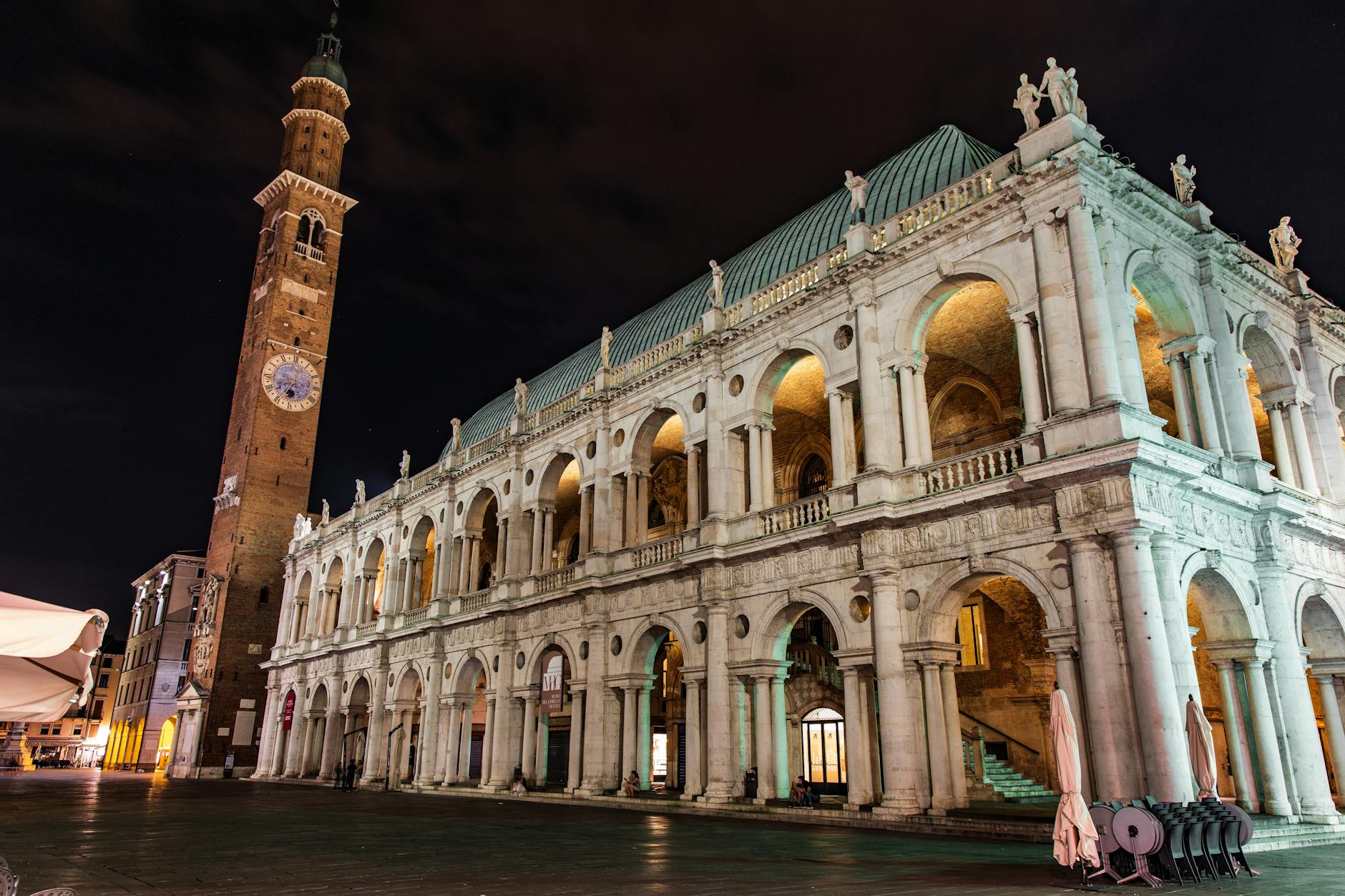
Would you like to come to Italy—to eat fresh pasta, sip local vino, and spend your days wandering magical neighborhood blocks? My 2018 Italian journey began in Northern Italy, in the elegant town of Vicenza—a place that quietly rivals some of Europe’s most beautiful small towns.
As an NYU SPS student minoring in International Business, I once considered applying to the exchange program at New York University Florence. The campus is stunning, and the opportunity was tempting. But instead of studying abroad, I chose a more hands-on experience: I spent the summer shadowing a hotel owner in Northern Italy to understand the hospitality business from the inside better.
After flying into Florence, I drove to Vicenza and stayed for 90 days, which I like to call a “local tourist.” I split my time between the hotel and my apartment, fully immersing myself in daily life. That summer became less about sightseeing and more about living.
The restaurants were incredible—endless plates of fresh pasta, rich sauces, and regional specialties paired with amazing wine. Dining wasn’t just a meal; it was always a moment that stretched for hours. I even tasted the head of a boar; it was actually really tasty. I met several U.S. military soldiers stationed nearby, along with welcoming locals who quickly became friends. The social scene was lively and effortless. Days blended into evenings filled with long dinners, late-night drinks, and vibrant nightlife, making the town feel both intimate and electric.
Vicenza surprised me. It wasn’t just beautiful—it was fun. The people were warm, the energy was high, and the summer felt like one long celebration of food, friendship, and culture. Ciao bello!
Verona
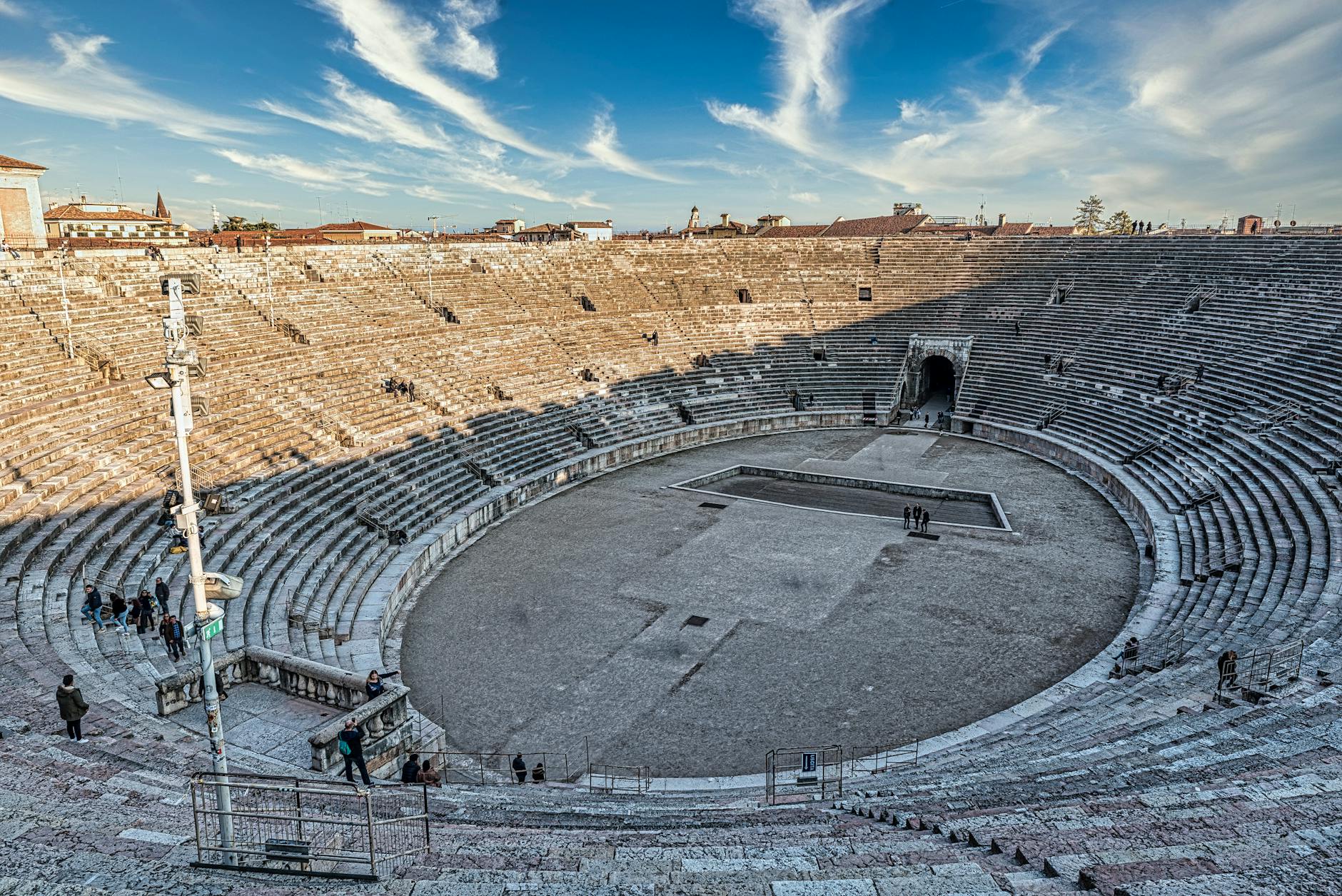
I had one reason, and one reason only, to visit Verona on my first trip: the opera.
Not just any opera — the opera. The Arena di Verona. An ancient Roman amphitheater turned cathedral of sound. I remember standing there, pausing for a moment to let it sink in. I was in Italy. In Verona. About to witness something that had lived in my imagination for years.
I didn’t quite know how to compose myself.
Part of me tried to stay cool — to be the well-traveled adult who had seen impressive things before. But another part of me, louder and far more honest, felt like a child again. Wide-eyed. Slightly overwhelmed. On the brink of tears for reasons I couldn’t fully articulate.
And then came the wardrobe mishap at the Arena.
I hadn’t packed a suit or tie for this leg of the trip. Somehow, I’d imagined Europe would forgive my optimism. It did not. I was initially denied entry — a humbling moment that forced me into a frantic scramble at a nearby clothing shop. A few rushed outfit changes later, I emerged appropriately dressed and slightly breathless, clutching both my ticket and my dignity.
When I finally stepped inside the Arena, none of it mattered anymore.
The setting alone was staggering. Unlike the polished elegance of the Metropolitan Opera at Lincoln Center in New York, this was something far older, far more elemental.
It didn’t feel like attending a performance. It felt like participating in history.
The music moved differently in that space that had stood for centuries. I remember thinking how small I was — and yet how lucky. The arena had survived empires, and here I was, a visitor from another continent, allowed to borrow it for an evening.
That night is what Verona means to me.
And yet, I returned.
On a separate occasion, I found myself drawn back — this time for dinner at Yard Restaurant. Verona is just a short drive from Vicenza, but emotionally it feels like a world of its own. The pace softens. The light lingers differently. Even the conversations seem warmer.
At Yard, the evening unfolded in contrast to the grandeur of the opera — intimate, modern, quietly refined. It wasn’t ancient stone and swelling arias, but careful plating, thoughtful wine, and conversation that stretched long past sunset. If the Arena made me feel small in the best way, dinner made me feel grounded — present, content, and grateful.
The locals were effortlessly kind. There’s a gentleness to Verona that reveals itself slowly. It doesn’t overwhelm you with spectacle; it invites you in.
When I think of Verona now, I don’t remember every street or monument. I remember how I felt.
Venice
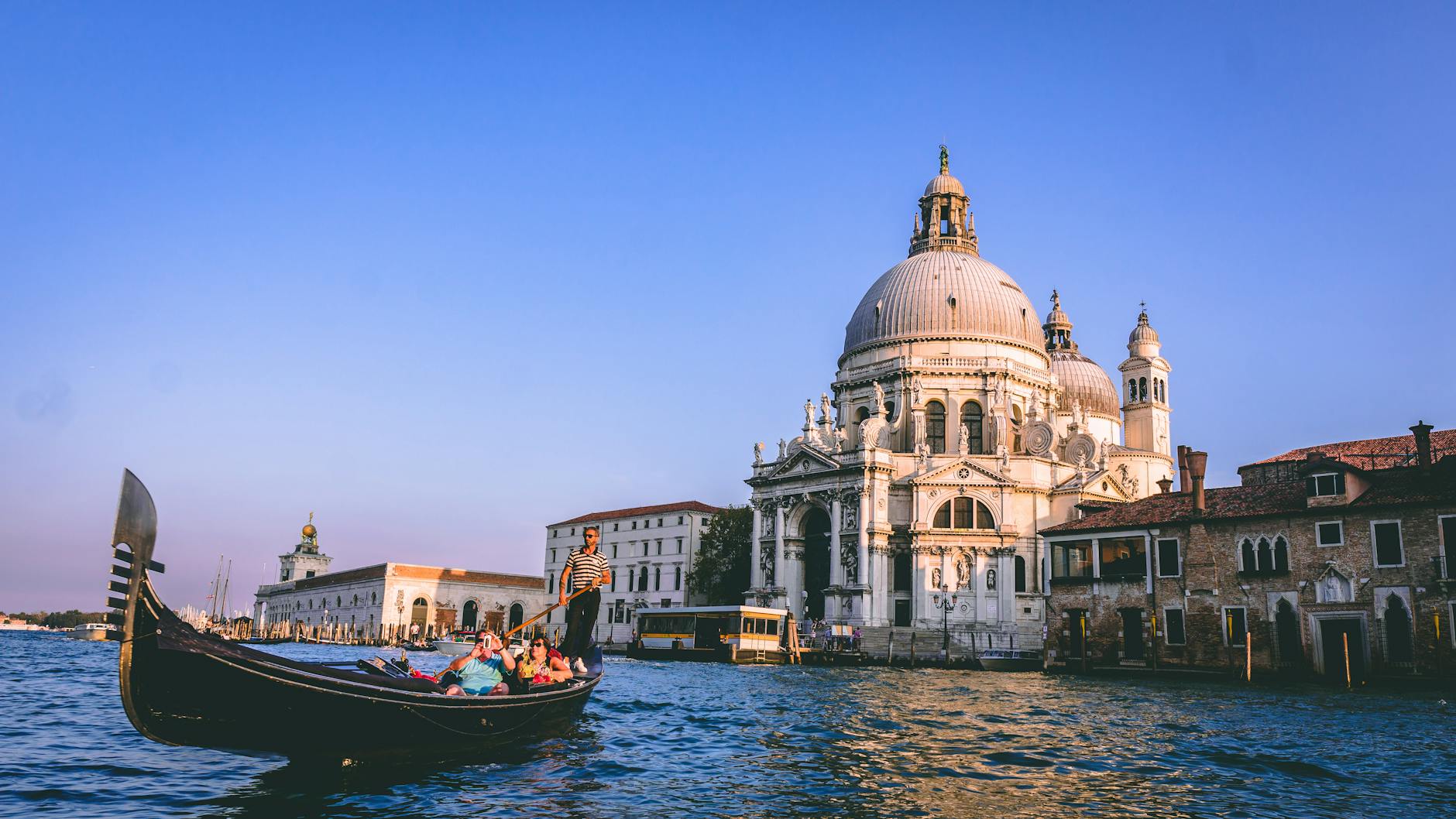
I took a day trip to Venice from Vicenza, hopping on an early bus for the quick ride into one of Italy’s most storied cities. Arriving at Venezia Santa Lucia, I stepped out into a welcoming, flashing cameras, and the unmistakable shimmer of water that seems to greet you immediately.
From the promenade near the pier, I began my day the only way that felt right — wandering without much of a plan, camera in hand, capturing the gondolas drifting past, the faded elegance of centuries-old buildings, and the steady rhythm of boats cutting through the canals. Venice was crowded — intensely so — but somehow the bustle felt like part of its character.
After lunch at Ae Oche San Giacomo, where pizza and a glass of wine offered a welcome pause, I strolled through the surrounding streets taking in the famous sights and the quieter corners alike. Venice is known for its canals, its romance, its labyrinth of narrow alleyways, and landmarks like St. Mark’s Basilica and the Rialto Bridge. It’s theatrical, historic, and unapologetically touristy — yet undeniably beautiful.
Is it a must-see? For lovers of Northern Italy’s lifestyle — the wine, the food, the boats, the energy — it absolutely is. Venice may be crowded, but it’s also singular. There’s nowhere else quite like it.
Nice
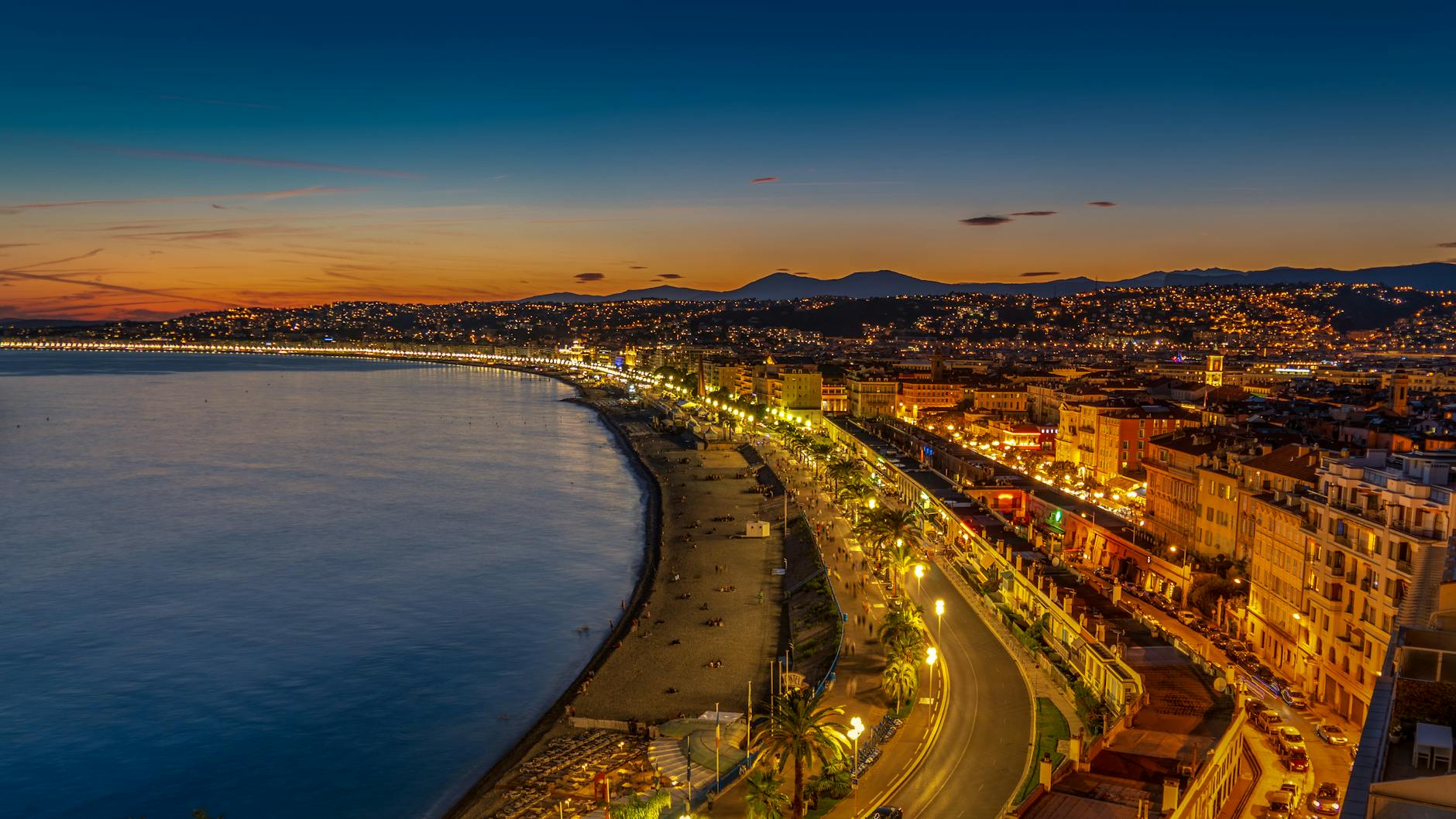
People had always recommended that I visit the South of France, and it finally happened just after my very first flight to Paris. From there, I booked a trip down to Nice and checked into Hôtel du Centre Nice, un AMMI hotel. I kept things simple during my stay — evenings were spent dining and wandering not far from the hotel, while the days were mostly for the beach and attempting to rollerblade the length of the Promenade des Anglais.
Nice is beautiful in a quiet, effortless way. The Mediterranean is blue, the sea breeze rolls in along the promenade, and the city moves at a slower rhythm than Paris. Between the coastline, palm trees, and warm evenings that stretch late into the night, it’s easy to understand why so many people fall in love with this part of France. It’s the kind of place where doing very little somehow feels like exactly the right way to experience it.
Also, read my full travel guide on the South of France.
Lljublana
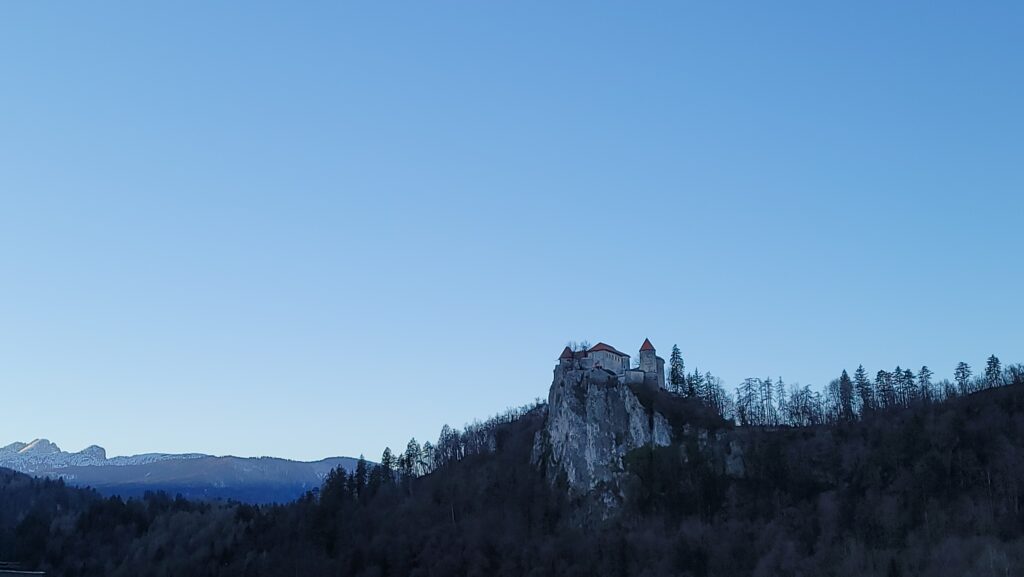
I took a day trip into Slovenia with a travel companion —because of it’s close proximity to my place in Croatia. Slovenia has this reputation for blending Alpine scenery with a laid-back, almost storybook atmosphere, and Lake Bled is usually the place people point to first. After seeing it for myself, I understood why. Between the island church sitting right in the middle of the lake and Bled Castle perched high above, and it was my first time seeing the Alps, it’s one of those places that feels naturally cinematic without trying too hard.
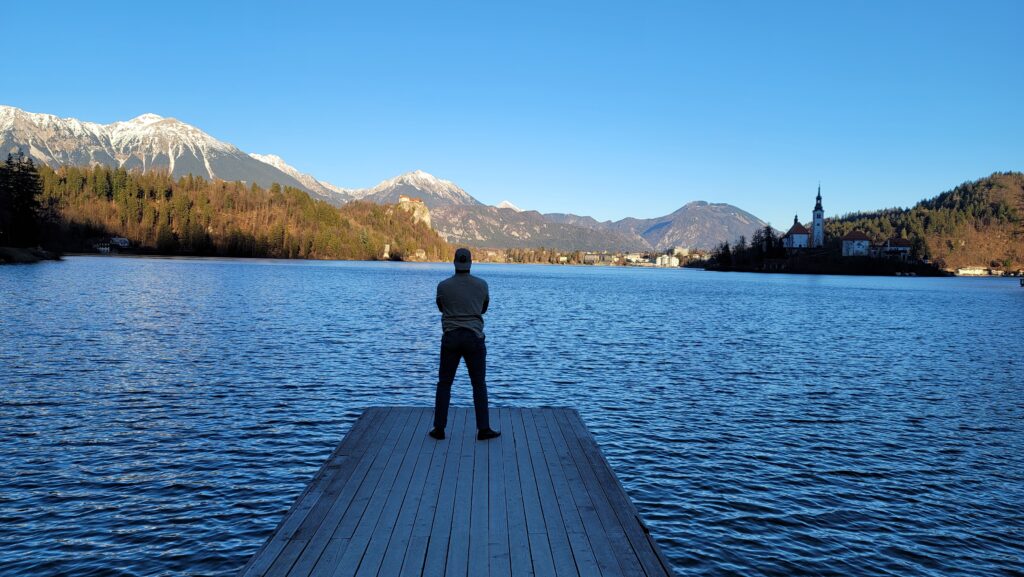
I spent most of the day just walking the shoreline, taking in the views from different angles, and stopping for lunch at Restavracija Central Bled. It’s an easy place to slow down and just enjoy where you are.
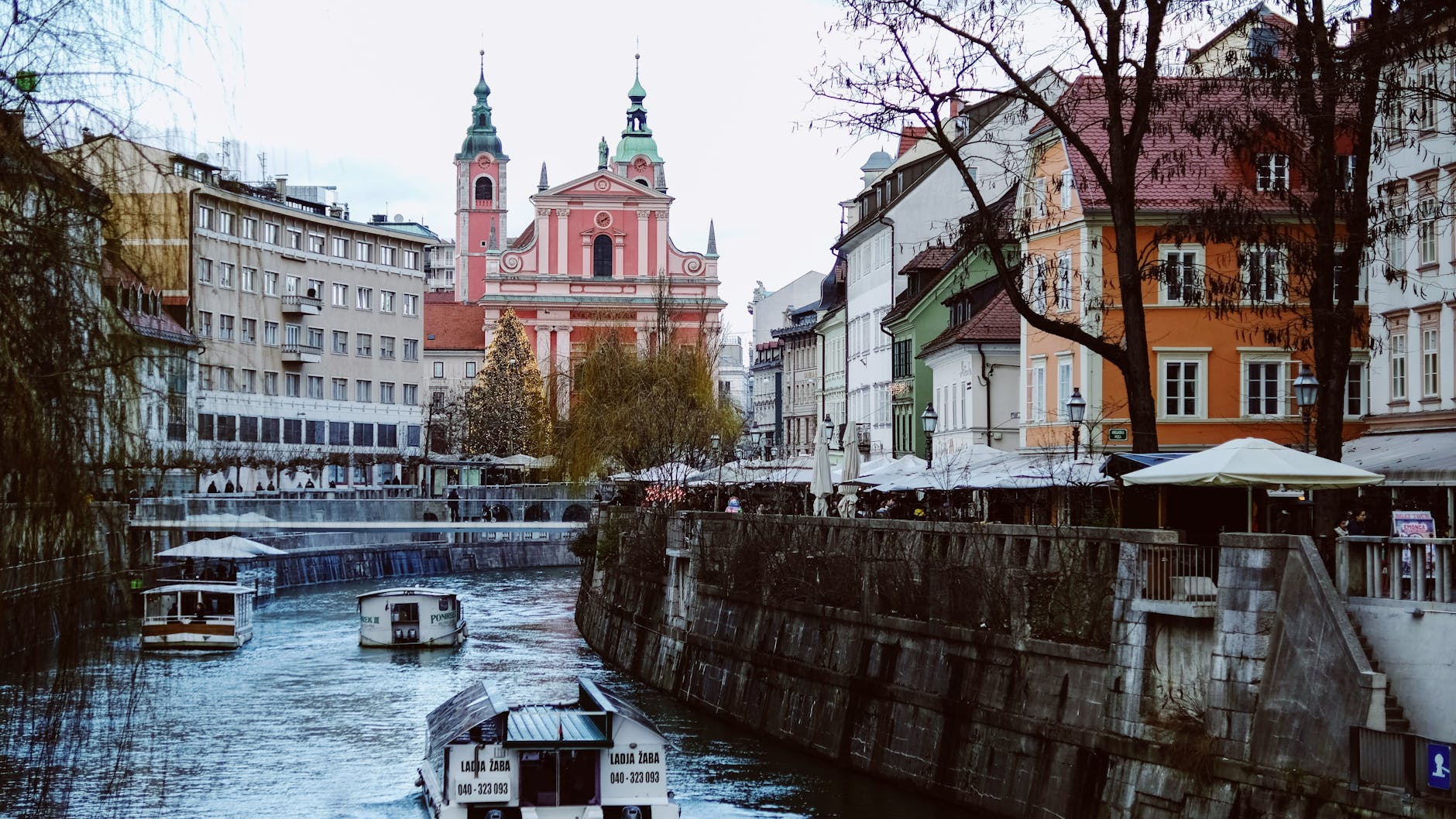
In the evening, we made our way into Ljubljana, which I was curious about for a different reason. It’s often described as one of Europe’s smaller, more underrated capitals, known for its architecture and relaxed pace. The city center is shaped a lot by the work of architect Jože Plečnik, and you can see that in the bridges and riverside design that give the city its character. Dinner at Julija was a highlight—great food, welcoming service, and a setting that felt refined without being over the top. Afterward, walking along the Ljubljanica River made it clear why people speak so highly of the city. The Dragon Bridge, with its iconic statues, and the soft reflections of the buildings on the water gave the whole place a calm, inviting energy. It’s not a city that overwhelms you with things to do, but that’s part of the appeal—you go for the atmosphere, and it delivers.
Also, if you are interested in knowing more about the country of Slovenia, read a full travel guide on Slovenia.
Prague
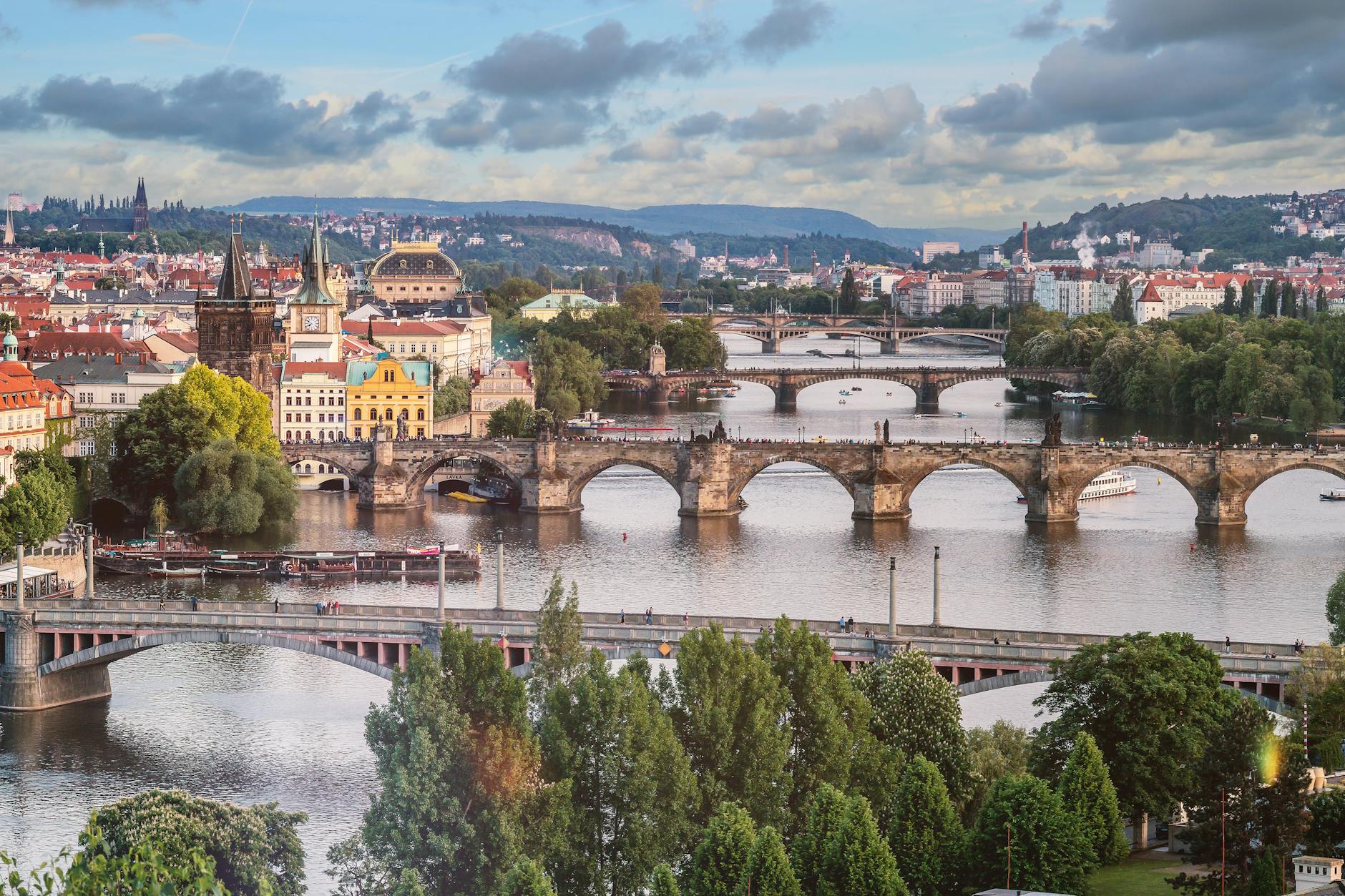
Prague felt real the moment I stepped off the train—almost too real. My data stopped working, there was no Wi-Fi at the station, and my phone died before I could get my bearings. No taxis, no easy way out—just me, my luggage, and a city I didn’t yet understand. I wandered for hours trying to find a signal and somewhere to charge my phone, only to realize I’d been heading in the opposite direction of my hotel. It wasn’t the smooth arrival I’m used to as a seasoned traveler, but in a strange way, it stripped everything down to the essentials. Getting lost stopped being a problem and became the first real experience—an unfiltered introduction to Prague, on foot and fully present.
Despite the chaotic start, the city grew on me quickly. I spent a couple of nights there solo, moving through it without much guidance, aside from a few helpful suggestions from the hotel receptionist—who, for all I knew, was the only person aware of my existence in the city. On her recommendation, I found myself at Hostinec U Sádlů, just steps from the hotel, trying hearty vegetable soups and rabbit for the first time. Like any tourist, I did the hop-on, hop-off bus and followed it up with a boat tour, checking off the iconic sights. But the moments that stuck with me came in between—the unplanned stretches. After one boat ride, with my phone dead yet again, I had to rely on instinct to find my way back, stopping along the way for unexpected bites, including a standout burger at CottoCrudo inside the Four Seasons. By the time I finally made it back toward the station, Prague had shifted from an inconvenience to a quiet accomplishment—a city that challenged me first, then rewarded me for staying open to it.
My experiences here is why I choose this city for this article, but if you’re also interested in a deeper dive, read a full travel guide on Prague.
Nuremberg
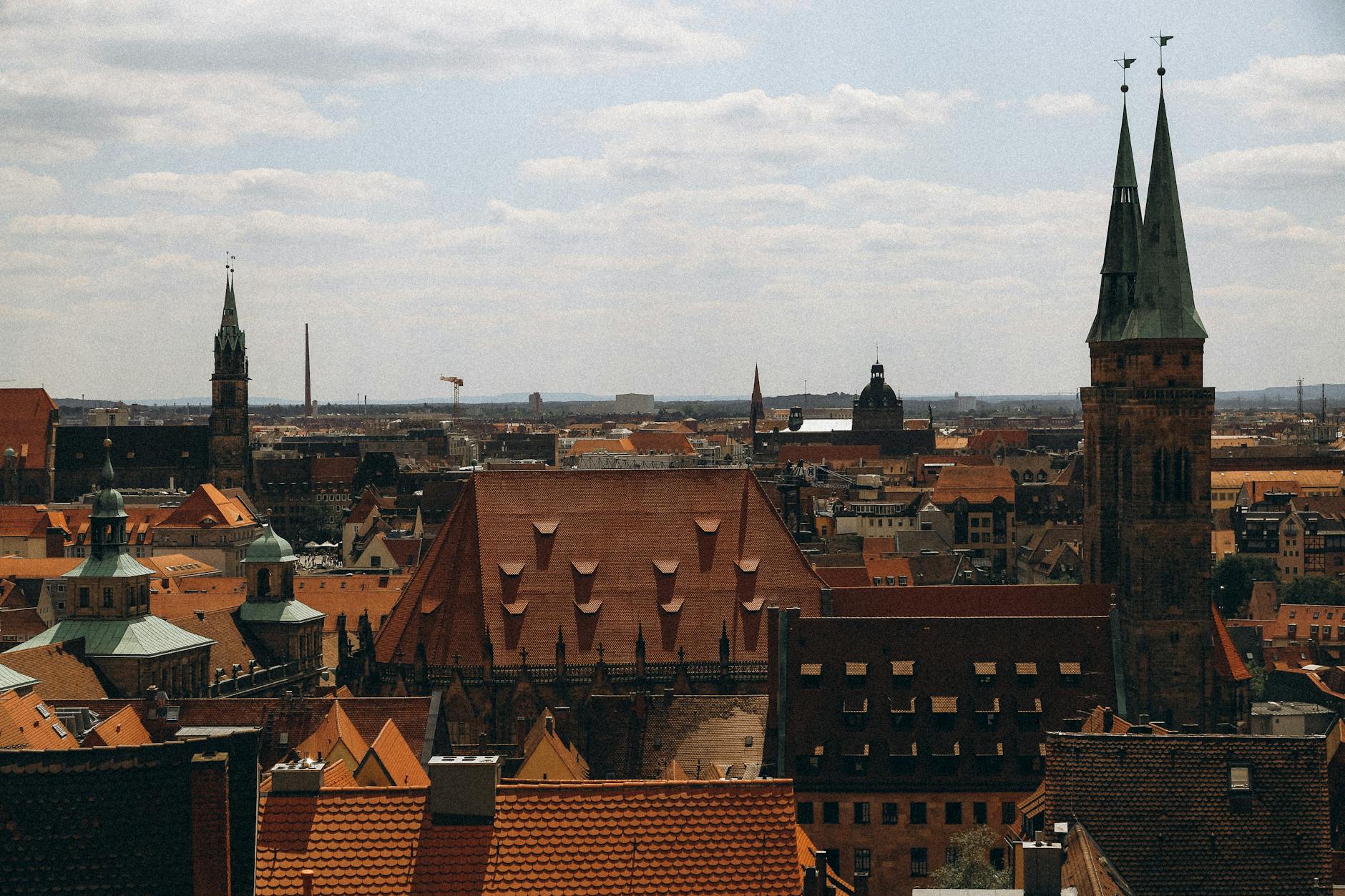
During my stay in Germany, I took a day trip from Jena to Nuremberg by train. Arriving at Nürnberg Hauptbahnhof, I spent the day exploring the city’s by foot; definitely impressive architecture, and lively atmosphere.
One of the highlights was taking photos near the famous clock tower in the Old Town, which made for a perfect reminder of my visit to this beautiful Bavarian city. As the evening set in, I continued exploring and capturing moments around Nuremberg before stopping for dinner at Lu-BU Nürnberg. I thought this would be the perfect place to relax after a full day of sightseeing.
From the train journey to the historic landmark and great food, my visit to Nuremberg was just a short day trip exploring another city Germany.
Exploring Europe’s small towns gave me a deeper appreciation for the continent’s history, culture, and regional character. Beyond their postcard-worthy scenery, these destinations offered authentic experiences shaped by local traditions, architecture, and everyday life with real people. My journey through these towns reinforced why small destinations continue to play such an important role in preserving Europe’s identity and charm.