
You don’t have to speak every language to travel the world. But you should know how to communicate when words aren’t enough.
I’ve visited 21 countries, and I haven’t learned the language of every country I’ve toured. That’s hardly surprising. But I’ve managed to develop enough familiarity with certain languages to order food, ask questions, construct sentences, and carry on basic conversations. The two I’ve learned the most outside of English are Spanish and German.
There’s one interesting distinction, though: I’m generally more comfortable initiating a conversation than responding to one unexpectedly. Unless a restaurant hostess approaches me first. Then it’s time to access every bit of vocabulary, education, and memory I’ve managed to collect.
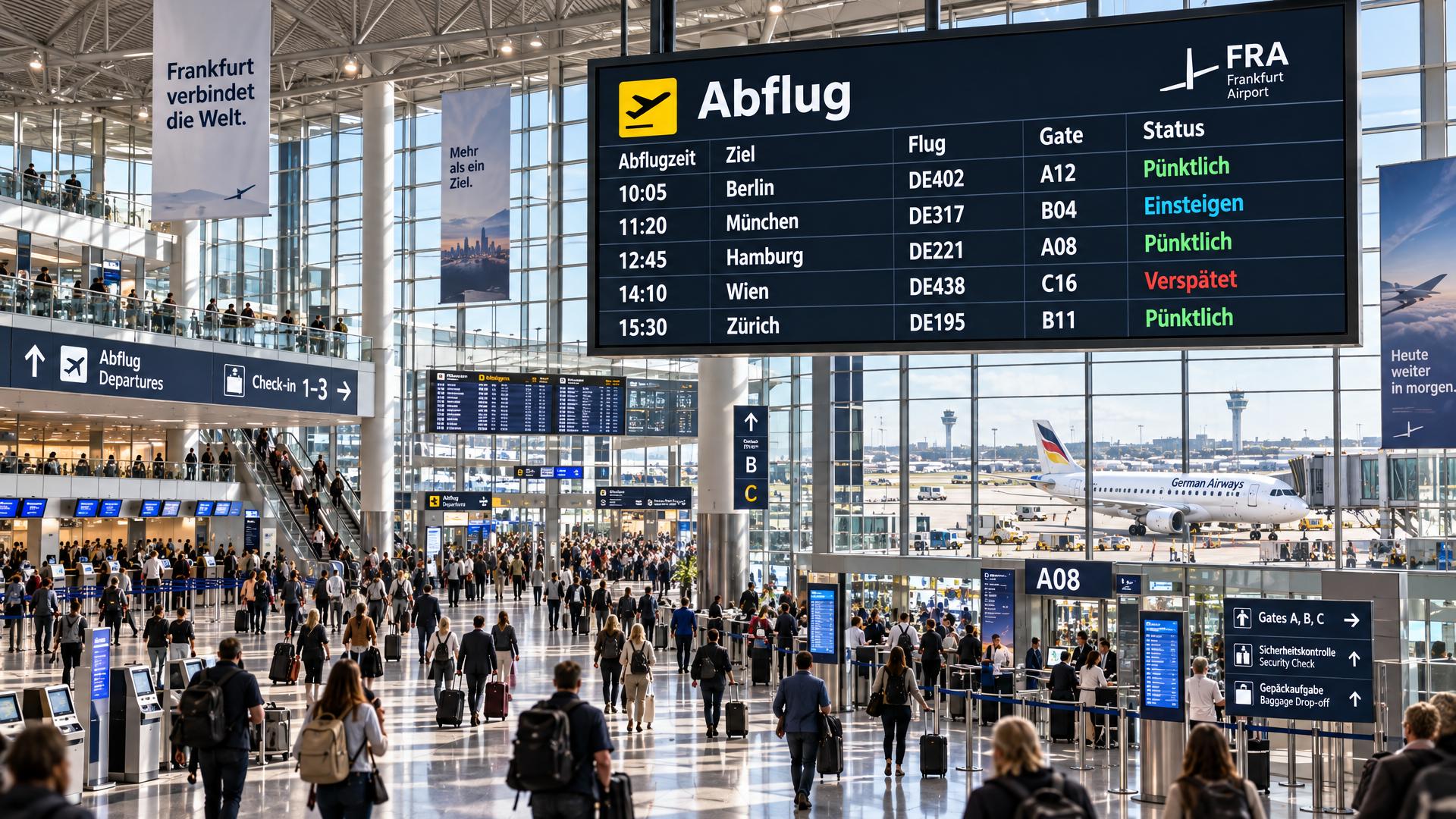
Travel has a way of putting you in these situations. We book flights in English, navigate airline websites, listen to announcements, and often have flight attendants who can communicate with us. We land, collect our luggage, and sometimes assume that the convenience of speaking our language will continue beyond the airport.
But eventually, it might not.
The taxi driver doesn’t speak English. The person at the train station doesn’t understand your question. A restaurant employee approaches you with information you weren’t expecting. Suddenly, you’re navigating a conversation without the vocabulary to participate.
And this isn’t exclusive to Americans traveling abroad. Someone arriving in the United States from another country might understand enough English to read this article but struggle to respond to an unexpected conversation with a local. Understanding written language and participating in spoken conversation are two very different skills.
So what happens when neither person speaks the other’s language?
Personally, I use everything available to me. English, broken sign language, hand gestures, facial expressions, objects, and occasionally a little lip reading. Whatever helps get the message across.
I’ll point, demonstrate, repeat words, and try different combinations until something makes sense. Sometimes a photograph accomplishes what several minutes of unsuccessful conversation cannot. Other times, it’s a matter of observing someone’s expressions and trying to understand what they’re communicating. Your eyes are listening too. Sometimes, we spend so much time listening that we forget to observe.
When Words Aren’t Enough, Get Resourceful
Navigating a language barrier doesn’t require fluency. It requires patience, observation, and a willingness to approach communication differently.
A few things can make an enormous difference:
- Slow things down. Use shorter sentences, familiar words, and avoid slang. Speaking louder rarely helps someone understand an unfamiliar language.
- Use visual references. Show photographs, addresses, reservations, or menu items. Draw something if necessary. Objects and images can become a common language.
- Pay attention to gestures. Pointing, demonstrating movement, and using your hands to communicate direction or quantity can help bridge gaps. Just remember that gestures can have different meanings across cultures.
- Listen for familiar words. Numbers, place names, greetings, and repeated expressions can provide valuable clues, even when you don’t understand the entire sentence.
- Confirm before assuming. A smile or nod doesn’t necessarily mean you’ve understood. Repeat important information, particularly when it involves transportation, money, directions, or appointments.
And what about technology? Translation applications are incredibly useful, but they aren’t infallible. Wi-Fi disappears, roaming allowances run out, batteries die, and applications occasionally misunderstand pronunciation.
Before traveling, download offline language packs, save important addresses, and keep screenshots of reservations and transportation information. Learning a handful of essential local phrases is also worthwhile. Knowing how to say I don’t understand, Could you repeat that?, or Could you write that down? can change an entire interaction.
Meet Somewhere in the Middle
I think one of the biggest mistakes we make is abandoning a conversation simply because we’re struggling to understand one another.
We smile, shrug, apologize, and walk away. But what if that person was trying to give us directions, explain something important, or simply offer help?
Of course, there are situations where walking away is the sensible decision. But when an interaction is comfortable and both people are genuinely trying, give it another minute. Try a different approach. Use a gesture. Write something down. Let the other person try again.
And remember that this responsibility goes both ways. If you’re welcoming international visitors into your own country, give them time to express themselves. Someone who struggles to speak your language might understand considerably more than they’re able to communicate.
I’ve visited 21 countries without learning 21 languages. I don’t expect to. But I’ve discovered that not knowing someone’s language doesn’t mean you can’t find a way to communicate with them.
You can use your voice, your eyes, your hands, your memory, and whatever else is available.
Because sometimes, the most rewarding part of traveling isn’t knowing exactly what to say.
It’s figuring out how to say it anyway.
Warmly,
Roderick.


